 GOVERNMENT OF INDIA


प्रारंभ तिथि
01/09/2026 - 10:00
अंतिम तिथि
27/09/2026 - 23:45
Time zone: IST (GMT +5.30 Hrs)
Created : 27/08/2026
105
Total Comments
70
Users Participated
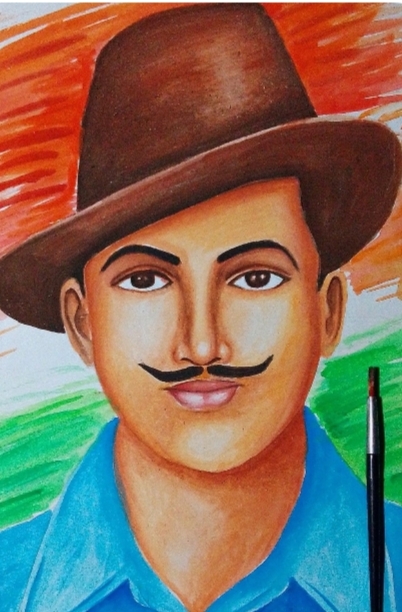
Shaheed Bhagat Singh was not only a symbol of courage and patriotism but also a young thinker who believed in learning and contributing to society. His ideas continue to inspire generations of Indians to take an active role in shaping the nation.
Shaheed Bhagat Singh believed that ideas are more powerful than weapons. Today, how can the power of ideas, knowledge, and innovation be harnessed by the youth to shape the India of tomorrow?
Reflect on how values such as patriotism, courage, critical thinking, social responsibility, and active citizenship can empower young Indians to contribute towards a stronger, more progressive, and developed India.

6 days 10 hours ago
Most children- now a days don't know what is patriotism
Like
2
Dislike
0
6 days 10 hours ago
Unhealthy youth population growing swiftly
Like
2
Dislike
0
6 days 10 hours ago
Most parents are culprits in pushing their children out of country
Like
2
Dislike
0
6 days 10 hours ago
Unfortunately about 60 percent of youth are plagued by screen syndrome
Like
2
Dislike
0
6 days 10 hours ago
As India has more youth than any country, transformation of youth power is essential for Viksit Bharat
Like
2
Dislike
0
6 days 10 hours ago
MyBharat program fostering objective of this discussion
Like
2
Dislike
0
6 days 10 hours ago
Youth active role in Nation Building - True patriotism
Like
2
Dislike
0

6 days 11 hours ago
Shaheed Bhagat Singh's Vision for Today's Youth – Building the India of Tomorrow
Shaheed Bhagat Singh was not only a brave freedom fighter but also a young thinker who believed in knowledge, reason and social change. His message is highly relevant to today's youth. He believed that ideas, when guided by courage and knowledge, can transform society.
Today's young Indians have the power to build a stronger and developed India through education, innovation, technology and entrepreneurship. We must develop critical thinking, question injustice, respect diversity and make responsible decisions. Patriotism should not be limited to words; it should be reflected in our actions—by following laws, protecting the environment, helping others and contributing to our communities.
Bhagat Singh's vision reminds us that the youth are not merely the future of India; they are also the builders of its present. Innovation with responsibility, and freedom with discip
(0.03 MB)
Like
2
Dislike
0

6 days 11 hours ago
Bhagat Singh’s life teaches us that true patriotism is not limited to love for the country; it also means taking responsibility for its progress. His belief in the power of ideas remains highly relevant today. Young people can use education, creativity, technology, and critical thinking to solve problems and build a better India. Courage helps us stand against injustice, while social responsibility encourages us to support those around us. Active citizenship means being aware of national issues, respecting diversity, following duties, and participating positively in society. Instead of waiting for change, the youth can become the driving force behind it. By combining knowledge with innovation and strong values, young Indians can contribute to a more developed, inclusive, and progressive nation.

Like
3
Dislike
0

6 days 12 hours ago
Bhagat Singh, popularly known as Shaheed-e-Azam, was one of the greatest revolutionaries and freedom fighters of India. His courage, sacrifice, and ideology at such a young age continue to inspire the youth of India even today. He was born on 28th September 1907 in the village of Banga in Lyallpur district of Punjab, which is now in Pakistan. He came from a patriotic family. His father Kishan Singh and uncles Ajit Singh and Swaran Singh were all actively involved in the freedom struggle against British rule. From childhood itself, Bhagat Singh was filled with patriotic feelings.
His childhood incident changed his life. When he was just 12 years old, the Jallianwala Bagh massacre took place in Amritsar in 1919, where General Dyer ordered firing on innocent Indians. Bhagat Singh visited the place and was deeply disturbed. He collected the blood-stained soi
Like
2
Dislike
0
Please
Log In
to submit a comment.