Government of IndiaGOVERNMENT OF INDIA
Skip to main content
हिन्दी language
  • English
  • हिन्दी
Accessibility
Accessibility Tools
Color Adjustment
Text Size
Navigation Adjustment
Screen Reader iconScreen Reader
MyGov Twitter
MyGov Facebook
MyGov Youtube
MyGov Instagram
MyGov Linkedin
MyGov Whatsapp
Meri Sarkar Logo

Recent Searches

      Close

      शामिल हों

      • समूह
      • कार्य
      • चर्चा करें
      • जनमत/सर्वेक्षण
      • ब्लॉग
      • वार्ता
      • क्विज़
      • MG प्राइम
      • अभियान
      • शपथ
      • पॉडकास्ट
      • मीडिया
      • पत्रिकाएँ

      माईगव राज्य

      • अंडमान-निकोबार द्वीप समूह
      • अरूणाचल प्रदेश
      • असम
      • चंडीगढ़
      • छत्तीसगढ़
      • दादरा और नगर हवेली और दमन और दीव
      • गोवा
      • गुजरात
      • हरियाणा
      • हिमाचल प्रदेश
      • जम्मू और कश्मीर
      • झारखण्‍ड
      • कर्नाटक
      • लद्दाख
      • मध्‍य प्रदेश
      • महाराष्ट्र
      • मणिपुर
      • मिजोरम
      • नागालैण्‍ड
      • राजस्थान
      • तमिलनाडु
      • त्रिपुरा
      • उत्तर प्रदेश
      • उत्तराखंड
      • लक्षद्वीप
      • ओडिशा
      • पुडुचेरी
      • सिक्किम

      माइक्रोसाइट्स

      • ब्लॉग
      • कैंपस
      • इनोवेट इंडिया
      • शपथ
      • क्विज़
      • साथी
      • सेल्फ4सोसायटी
      • ट्रांसफॉर्मिंग इंडिया
      • PM इवेंट्स

      जानें

      • माईगव: अवलोकन
      • माईगव से संबद्ध करें
      • माईगव के साथ काम करें
      • सर्कुलर
      • पल्स न्यूजलेटर
      • टेंडर्स
      • साप्ताहिक समाचार पत्र
      • Meity डैशबोर्ड
      • सेक्टर्स
      • कौशल
      • रूचि के क्षेत्र
      • आयु वर्ग
      • राष्ट्रीय कार्यक्रम
      • आर्काइव साइट्स

      मदद/प्रतिक्रिया

      • संपर्क करें
      • FAQ
      • प्रतिक्रिया
      • मदद
      • हमसे जुड़ें
      • सार्वजनिक शिकायत
      • साइट मैप
      • नियम एवं शर्तें
      • आधार का इस्तेमाल
      • वेब सूचना प्रबंधक
      • ICC
      • MyGov सोशल
      • पॉइंट्स और बैज्स
      • वेबसाइट की पॉलिसी
      user-profile
      Together, Let's Engage In Good Governance 
      Login/Register
      1. Home
      2. Discuss
      3. Inviting Ideas for Next Phase of Rural Sanitation

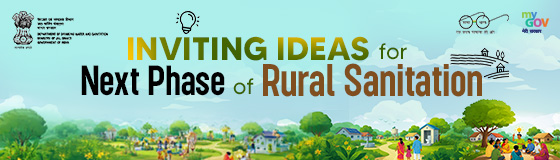
      Inviting Ideas for Next Phase of Rural Sanitation

      Facebook X
      Inviting Ideas for Next Phase of Rural Sanitation
      प्रारंभ तिथि 01/08/2026 - 11:49
      अंतिम तिथि 02/10/2026 - 23:45
      Time zone: IST (GMT +5.30 Hrs)
      Login to Participate
      क्षेत्र:
      Water & Sanitation
      Created : 1/08/2026
      537
      Total Comments
      380
      Users Participated

      In the last 12 years, SBM(G) has evolved from a sanitation programme into a nationwide movement that has improved public health, enhanced dignity of women, empowered communities and promoted sustainable rural development. Building on the achievement of Open Defecation Free (ODF) status, SBM(G) 2.0 has expanded its focus to sustaining sanitation outcomes through interventions such as Individual Household Latrines (IHHLs), Community Sanitary Complexes (CSCs), Solid and Liquid Waste Management, Plastic Waste Management, Faecal Sludge Management, GOBARdhan, Information, Education and Communication (IEC) and Capacity Building. The current phase of the Mission is scheduled to conclude in March 2027.

      As the Department prepares the roadmap for the next phase of rural sanitation, it seeks ideas from citizens to sustain and strengthen the gains achieved under SBM(G) while addressing emerging challenges related to waste management, resource recovery, environmental sustainability, Operation & Maintenance (O&M) and long-term community ownership of assets and outcomes. Innovative, practical and scalable solutions are required to enhance sanitation service delivery, strengthen waste management systems, promote behavioural change and accelerate the transition towards a circular waste-to-wealth economy. Given that the diversities of rural areas from urban cities, suggestions and ideas, specific to rural scenarios will be highly appreciated. Along with these, with peri-urban areas / villages also growing fast and having characteristics of urban centers, solutions specific for such areas are also being sought.

      The success of SBM(G) has been driven by the spirit of Jan Bhagidari (People's Participation). Citizens, Gram Panchayats, SHGs, youth, Swachhagrahis and other stakeholders have been at the forefront of transforming rural sanitation and their continued participation will remain critical for sustaining these achievements. 

      Accordingly, the Department of Drinking Water and Sanitation (DDWS), Ministry of Jal Shakti in collaboration with MyGov, invites citizens, youth, Gram Panchayats, SHGs, academic and research institutions, development partners and other stakeholders to share their suggestions and ideas for the next phase of rural sanitation programme on the following:

      1. Areas to be taken up (including existing areas where gaps may be remaining)
      2. New technological interventions for SWM, GWM, FSM.
      3. Rural Sanitation 
      4. Solutions for treating pollution in small nallahs/rivulets discharging into rivers in rural areas.
      5. Adoption of solutions based on traditional knowledge and ancient wisdom in new settings for rural India. 
      6. Any other area related to the programme.

      The suggestions received will help and guide the next phase of SBM(G) and contribute to building cleaner, healthier and environmentally sustainable villages that will be strong contributors for achieving the goal of Viksit Bharat@2047.

      Participation Guidelines 

      1. All Citizens, youth (including students), Gram Panchayats & SHGs, academic and research institutions, development partners, NGOs and other stakeholders are invited to contribute ideas for shaping the next phase of rural sanitation and solid-liquid waste management under Swachh Bharat Mission (Grameen).
      2. For detailed information about SBM(G) Phase II, applicants may visit the SBM(G) Phase II operational guidelines available on website of the Department (https://swachhbharatmission.ddws.gov.in). The guidelines can also be assessed through: https://swachhbharatmission.ddws.gov.in/sites/default/files/Guidelines/SBMG%20Phase-II%20Operational%20Guidelines.pdf 
      3. Suggestions may be submitted on any of the major components of SBM(G), including Individual Household Latrines (IHHLs), Community Sanitary Complexes (CSCs), Solid Waste Management, Liquid Waste Management, Plastic Waste Management, GOBARdhan, Faecal Sludge Management, Information, Education and Communication (IEC) and Capacity Building. Global best practices forming the bases of solution, may also duly mentioned and referred.
      4. Participants are encouraged to propose innovative, technology-driven, scientific, managerial, practical, feasible and scalable solutions to address rural sanitation challenges and strengthen long-term sustainability.
      5. Suggestions should focus on supporting the Department of Drinking Water and Sanitation (DDWS), Ministry of Jal Shakti, in developing the roadmap for the next phase of rural sanitation for India.
      6. Participants are required to register on the MyGov platform and submit their suggestions through the prescribed online form.

      rajkumarsharma_679
      rajkumarsharma_679
      2 weeks 2 days ago

      Namaskaar ji🙏🏻 Gaon ke school se kuch students ko “Swachh Student Mitra” banaya jaye. Ye students mahine mein ek baar apne aas-paas ki sanitation problems identify karein—jaise kachra jama hona, naali ka paani rukna, public toilet ki kharab condition ya open dumping. In problems ki information simple mobile form ya WhatsApp system ke through Gram Panchayat ko bheji jaye. Panchayat problem solve hone ke baad uska status update kare. Isse students bhi participate krenge aur village(gram) ki cleanliness aur sanitation ko regularly monitor karna easy hoga. 😇 Thanks.

      Like 2
      Dislike 0
      • Reply
      Facebook X
      Melasochakma
      Melasochakma
      2 weeks 2 days ago

      HELLO SIR/MADAM My Suggestion in maintaing Rural Saniation is to build a system where wet and dry waste are collected and disposed properly as it still exist but failed in implementation so i suggest that every week or twice a month the high level authority of mandals can visit and submit a report according to which inciatives or works should be assigned to the villages and public toilets has to be construted and monitored by villages frequently and it should be on main road acess to the village and the village Drinage sysytem should in underground and all the water collecetd should be discharged in a water harvesting pits so that it can be used to recharge the ground level water table and strict monitoring should be taken that no plastic or other waste is dumped in it and for drinking water a village level mineral water dispenser should be construted where every day some predetermined quantity of water based on family size is distributed to household taps

      Like 1
      Dislike 0
      • Reply
      Facebook X
      KrishnaJindal_11
      Krishna Jindal
      2 weeks 2 days ago

      It is seen that majority of the rural household have open drains that discharge the wastewater directly into water bodies. As a result many solid particles and other waste also enter the bodies. I think filters must be installed at every house drain so that only waste water enters the system and the other solid waste disposed off separately. There must be floor drain cover and strainers and open drainage system must be stopped. If people get educated about the toll their daily drainage activities create on environment they will surely adopt the sustainable strategies. Use of detergents, soaps and chemicals directly near the water source contaminate them. Also there must be checks on pesticides and fertilisers deployed in massive amounts as these contaminate groundwater also. Sprayers and sprinklers on tap must be used to reduce wastage of water as many people waste large quantities of water just for simple activities.

      Like 2
      Dislike 0
      • Reply
      Facebook X
      malothumithunakravarthinayak
      malothumithunakravarthinayak
      2 weeks 3 days ago

      HELLO SIR/MADAM My Suggestion in maintaing Rural Saniation is to build a system where wet and dry waste are collected and disposed properly as it still exist but failed in implementation so i suggest that every week or twice a month the high level authority of mandals can visit and submit a report according to which inciatives or works should be assigned to the villages and public toilets has to be construted and monitored by villages frequently and it should be on main road acess to the village and the village Drinage sysytem should in underground and all the water collecetd should be discharged in a water harvesting pits so that it can be used to recharge the ground level water table and strict monitoring should be taken that no plastic or other waste is dumped in it and for drinking water a village level mineral water dispenser should be construted where every day some predetermined quantity of water based on family size is distributed to household taps

      Like 1
      Dislike 0
      • Reply
      Facebook X
      Sanjay Sinha 57
      Sanjay Sinha 57
      2 weeks 3 days ago

      The proposed framework calls for a fundamental shift after SBMG Phase II: from sanitation as a time-bound mission to sanitation as an essential, permanent public service. Its vision is to make every GP a capable, accountable and financially sustainable sanitation service provider. Panchayats would progressively take responsibility for planning, budgeting, O&M, service delivery, monitoring and grievance redressal, supported by adequate Funds, Functions and Functionaries. Each GP would prepare a long-term Rural Sanitation O&M Plan covering assets, service standards, workforce, costs and financing. Attached framework promotes whole-life asset management, FSSM, SLWM, resource recovery, sanitation-worker welfare, climate resilience and outcome-based monitoring. Block and District Panchayats would provide shared infrastructure and technical support. The 27–47 transition will institutionalise, scale and consolidate systems aiming for sanitation as a reliable, inclusive and locally accountable

      (0.31 MB)
      Like 1
      Dislike 0
      • Reply
      Facebook X
      Mukesh_12897
      Mukesh_12897
      2 weeks 3 days ago

      🏛️ प्रशासनिक एवं नागरिक सुधार प्रस्ताव (Systemic & Civic Reforms Proposal)प्रेषक: एक जागरूक एवं करदाता भारतीय नागरिकविषय: प्रशासनिक जवाबदेही, 'सिंगल कमान' ड्रेनेज व्यवस्था, योग्यता-आधारित वेतन (20-80 मॉडल) और ग्रामीण स्वच्छता के संबंध में नीतिगत सुझाव।1. ड्रेनेज और सिविक एजेंसियों के लिए 'सिंगल कमान' (CDS मॉडल)समस्या: दिल्ली और अन्य बड़े शहरों में मानसून के समय जलभराव और शहरी बाढ़ (Urban Flooding) का मुख्य कारण PWD, MCD, और जल बोर्ड जैसे अलग-अलग विभागों के बीच तालमेल की कमी है। काम सुचारू रूप से होने के बजाय एक तरफ नाली बनती है और दूसरी तरफ बंद कर दी जाती है।सुझाव: थल सेना, वायु सेना और नौसेना की तर्ज पर शहरों की सभी सिविक और ड्रेनेज एजेंसियों को एक कमान के नीचे लाकर "Unified Drainage Authority" (एकीकृत जल निकासी प्राधिकरण) का गठन किया जाए, जिसका एक ही 'कमांडिंग चीफ' हो, ताकि जवाबदेही तय हो सके।2. सरकारी कर्मचारियों के लिए 20-80% वेरिएबल पे मॉडल (Meritocracy)समस्या: सरकारी सिस्टम में 'परमानेंट नौकरी' के कवच के कारण अधिकारियों, इंजीनियरों और शिक्षकों में जवाबदेही खत्म हो चुकी है। कामचो

      Like 1
      Dislike 0
      • Reply
      Facebook X
      HarshitLodhi_54
      HarshitLodhi_54
      2 weeks 3 days ago

      हमें जल संरक्षण के लिए गांव में वाटर हार्वेस्टिंग जैसी तकनीक है अपना चाहिए जो की हमारे जल को भूमिगत रास्ते से हमारे तालाब ट्यूबवेल कुआं आदि को फिर से पानी से भर सकती हैं जिससे पानी की पूर्ति होने लगेगी और जो गर्मी के समय पानी का स्तर नीचे चला जाता है उससे हमें राहत मिलेगी और पानी का स्तर नीचे नहीं जाएगा उसे पानी का उपयोग हम खेत घर पशुओं को पानी पिलाने आदि उपयोग चीजों में कर सकते हैं और ऐसे में साफ पानी रहेगा तो बीमारियां भी नहीं फैलेंगी स्वच्छता यह हमारे यह सच में प्रधानमंत्री नरेंद्र दामोदरदास मोदी जी के नेतृत्व अधिकतर गांव स्वच्छता की ओर बढ़ रहे हैं जो की 2014 से पहले नहीं था आसपास स्वच्छता बनाए रखने से बीमारियां नहीं होती हैं मच्छर नहीं होते हैं कीटाणु नहीं होते हैं इस स्वच्छता को बनाए रखने के लिए हमें सिंगल उसे प्लास्टिक का उपयोग नहीं करना है इसकी जवाब में हम जूठ का उपयोग करके थैला आदि का उपयोग कर सकते हैं जिससे हमारे चारों तरफ प्लास्टिक नहीं होगा और जो किचन से बेस्ट निकलता है उसका उपयोग हम खाद बनाने आदि में कर सकते हैं जिससे हम तरकारी सब्जियां फल उगा सकते हैं

      Like 1
      Dislike 0
      • Reply
      Facebook X
      mukeshkumar_9274
      mukeshkumar_9274
      2 weeks 3 days ago

      अगले चरण में SBM(G) का ध्यान ‘साफ़-सफ़ाई के लिए बुनियादी ढांचा बनाने’ से हटकर ‘साफ़-सफ़ाई की सेवाएँ देने’ पर होना चाहिए। इससे यह पक्का होगा कि हर ग्रामीण घर और संस्थान में साफ़-सफ़ाई की काम करने वाली सुविधाएँ हों, हर गाँव में ठोस और तरल कचरा प्रबंधन सिस्टम हों, मल-कचरे (faecal sludge) को सुरक्षित रूप से इकट्ठा या ट्रीट किया जाए, प्रदूषित नालियों और छोटी जल-धाराओं को फिर से ठीक किया जाए, और साफ़-सफ़ाई के सिस्टम को असरदार संस्थागत तरीकों से चलाया जाए। SBM(G) को ‘कचरे से धन, कचरे से पानी और कचरे से ऊर्जा’ बनाने पर ज़्यादा ध्यान देने की ज़रूरत है, ताकि गाँवों को ऐसे स्थानों में बदला जा सके जहाँ संसाधनों का दोबारा इस्तेमाल होता हो, जो जलवायु परिवर्तन का सामना करने में सक्षम हों और आर्थिक रूप से मज़बूत हों। यह SBM(G) के दूसरे चरण की ODF Plus उपलब्धियों को आगे बढ़ाएगा और सिर्फ़ शौचालय बनाने से आगे बढ़कर ठोस और तरल कचरा प्रबंधन और साफ़-सफ़ाई को भी शामिल करेगा।

      Like 1
      Dislike 0
      • Reply
      Facebook X
      VenkateshRajuValluri_1
      VenkateshRajuValluri
      2 weeks 3 days ago

      Modiji Namaskar, Rural India is dirty. Your program Swachh Bharath - looks like nobody is following. I suggest a program called - Clean your town/village program. This program involves many things: 1. The children in shcools need to be taught to be clean first. 2. In the school curriculum, cleaning of the town should be a subject. There should be practical exams conducted on keeping the town or village clean. 3. Have a program in School where, kids are given a street, and they will paint the houses, and a proper drainage system is planned and the kids submit this to their corporator or Village Sarpanch or Village leader, MLA, Minister or whoever is in-charge to make it happen. All this needs to be funded by State Government. Cut a portion of GST and do not give it to states. What this does is make our villages colorful. If foreigners come, they will be seeing a little Italy or a little Germany right in our villages and towns. 4. Make Swacch Bharath Compulsory.

      Like 1
      Dislike 0
      • Reply
      Facebook X
      Lalrohlua Ngente
      LALROHLUA
      2 weeks 4 days ago

      Executive Suggestion:- The next phase must shift the focus of SBM(G) from ‘construction of sanitation infrastructure’ to ‘sanitation service delivery’ which will ensure every rural household and institution has functional sanitation facilities, every village has solid and liquid waste management systems, all faecal sludge is safely contained or treated, polluted drains and small water-courses are rejuvenated, and sanitation systems are managed by effective institutional mechanisms. SBM(G) needs to increasingly focus on a ‘waste to wealth, waste to water and waste to energy’, turning villages into resource-recycling, climate-resilient and economically viable entities. This will build on the ODF Plus achievements of the second phase of SBM(G) and go beyond just toilets to include solid and liquid waste management and cleanliness. Submitted By Lalrohlua Tlabung, Lunglei District, Mizoram

      (0.34 MB)
      Like 1
      Dislike 0
      • Reply
      Facebook X
      • First page « पहला
      • Previous page ‹ पिछला
      • …
      • पृष्ठ 20
      • पृष्ठ 21
      • पृष्ठ 22
      • पृष्ठ 23
      • Current page 24
      • पृष्ठ 25
      • पृष्ठ 26
      • पृष्ठ 27
      • पृष्ठ 28
      • …
      • Next page अगला ›
      • Last page आखरी »
      Please Log In to submit a comment.
      शामिल हों
      • समूह
      • कार्य
      • चर्चा करें
      • ब्लॉग
      • जनमत/सर्वेक्षण
      • वार्ता
      • क्विज़
      • MG प्राइम
      • अभियान
      • शपथ
      • पॉडकास्ट
      • मीडिया
      • पत्रिकाएँ
      जानें
      • माईगव: अवलोकन
      • माईगव से संबद्ध करें
      • माईगव के साथ काम करें
      • सर्कुलर
      • पल्स न्यूजलेटर
      • टेंडर्स
      • साप्ताहिक समाचार पत्र
      • Meity डैशबोर्ड
      • सेक्टर्स
      • कौशल
      • रूचि के क्षेत्र
      • आयु वर्ग
      • राष्ट्रीय कार्यक्रम
      • आर्काइव साइट्स
      सहायता और समर्थन
      • संपर्क करें
      • FAQ
      • प्रतिक्रिया
      • मदद
      • हमसे जुड़ें
      • सार्वजनिक शिकायत
      • साइट मैप
      • नियम एवं शर्तें
      • आधार का इस्तेमाल
      • वेब सूचना प्रबंधक
      • ICC
      • MyGov सोशल
      • पॉइंट्स और बैज्स
      • वेबसाइट की पॉलिसी
      उपयोगी लिंक्स
      • MyGov Quiz MyGov Quiz
      • Transforming India ट्रांसफॉर्मिंग इंडिया
      • MyGov Innovation माईगव इनोवेशन
      • MyGov Pledge माईगव संकल्प
      • MyGov Blog माईगव ब्लॉग
      • Self4Society सेल्फ4सोसायटी
      • Campus Program कैंपस कार्यक्रम
      • MyGov Saathi साथी
      Follow us
      Twitter Twitter 33.11 + Lakh Followers Facebook Facebook 15.14 + Lakh Followers Instagram Instagram 30.73 + Lakh Followers YouTube YouTube 7.43 + Lakh Subscribers LinkedIn LinkedIn 1.63 + Lakh Followers Messenger Messenger 1.60 + Lakh Followers WhatsApp WhatsApp 910.05 + Lakh Followers DailyHunt DailyHunt 7.2 + K Followers Public Public 85.5 + K Followers ShareChat ShareChat 82.22K Followers Snapchat Snapchat View All
      QR Code

      Download the MyGov Mobile App Join us in building a New India on the move.

      App Store Play Store
      NIC logo

      © Content owned, updated and maintained by the MyGov Cell. This website belongs to MyGov, Ministry of Electronics & Information Technology, Government of India.
      Platform is designed, developed and hosted by National Informatics Centre.

      CQW - MyGov certificateCertified Quality Website
      • Meity
      • Digital India
      • National Portal of India
      • Data Portal

      Copyright © MyGov 2014

      secure-1 - Last Updated: May 7, 2026
      Top
      This website uses cookies to provide a better user experience.
      By clicking accept, you agree to the policies outlined in the Cookie Settings.