Government of IndiaGOVERNMENT OF INDIA
Skip main content
English language
  • English
  • हिन्दी
Accessibility
Accessibility Tools
Color Adjustment
Text Size
Navigation Adjustment
Screen Reader iconScreen Reader
MyGov Twitter
MyGov Facebook
MyGov Youtube
MyGov Instagram
MyGov Linkedin
MyGov Whatsapp
Meri Sarkar Logo

Recent Searches

      Close

      Get Involved

      • Groups
      • Do/Tasks
      • Discuss
      • Poll/Survey
      • Blog
      • Talk
      • Quiz
      • MG Prime
      • Campaigns
      • Pledge
      • Podcast
      • Media
      • Periodicals

      MyGov States

      • Andaman & Nicobar Islands
      • Arunachal Pradesh
      • Assam
      • Chandigarh
      • Chhattisgarh
      • Dadra and Nagar Haveli and Daman and Diu
      • Goa
      • Gujarat
      • Haryana
      • Himachal Pradesh
      • Jammu And Kashmir
      • Jharkhand
      • Karnataka
      • Ladakh
      • Madhya Pradesh
      • Maharashtra
      • Manipur
      • Mizoram
      • Nagaland
      • Rajasthan
      • Tamil Nadu
      • Tripura
      • Uttar Pradesh
      • Uttarakhand
      • Lakshadweep
      • Odisha
      • Puducherry
      • Sikkim

      Microsites

      • Blog
      • Campus
      • Innovate India
      • Pledge
      • Quiz
      • Saathi
      • Self4Society
      • Transforming India
      • PM Events

      Get to Know

      • MyGov: An Overview
      • Associate with MyGov
      • Work at MyGov
      • Circulars
      • Pulse Newsletter
      • Tenders
      • Weekly Newsletter
      • Meity Dashboard
      • Sectors
      • Skills
      • Area of Interest
      • Age Group
      • National Events
      • Archive Sites

      Help/Feedback

      • Contact Us
      • FAQ
      • Feedback
      • Help
      • Link To Us
      • Public Grievance
      • Site Map
      • Terms & Conditions
      • Usage of Aadhaar
      • Web Information Manager
      • ICC
      • MyGov Social
      • Points and Badges
      • Website Policies
      user-profile
      Together, Let's Engage In Good Governance 
      Login/Register
      1. Home
      2. Discuss
      3. Inviting Ideas for Next Phase of Rural Sanitation

      Inviting Ideas for Next Phase of Rural Sanitation

      Facebook X
      Inviting Ideas for Next Phase of Rural Sanitation
      Start Date 01/08/2026 - 11:49
      End Date 02/10/2026 - 23:45
      Time zone: IST (GMT +5.30 Hrs)
      Login to Participate
      Sector:
      Water & Sanitation
      Created : 1/08/2026
      530
      Total Comments
      374
      Users Participated

      In the last 12 years, SBM(G) has evolved from a sanitation programme into a nationwide movement that has improved public health, enhanced dignity of women, empowered communities and promoted sustainable rural development. Building on the achievement of Open Defecation Free (ODF) status, SBM(G) 2.0 has expanded its focus to sustaining sanitation outcomes through interventions such as Individual Household Latrines (IHHLs), Community Sanitary Complexes (CSCs), Solid and Liquid Waste Management, Plastic Waste Management, Faecal Sludge Management, GOBARdhan, Information, Education and Communication (IEC) and Capacity Building. The current phase of the Mission is scheduled to conclude in March 2027.

      As the Department prepares the roadmap for the next phase of rural sanitation, it seeks ideas from citizens to sustain and strengthen the gains achieved under SBM(G) while addressing emerging challenges related to waste management, resource recovery, environmental sustainability, Operation & Maintenance (O&M) and long-term community ownership of assets and outcomes. Innovative, practical and scalable solutions are required to enhance sanitation service delivery, strengthen waste management systems, promote behavioural change and accelerate the transition towards a circular waste-to-wealth economy. Given that the diversities of rural areas from urban cities, suggestions and ideas, specific to rural scenarios will be highly appreciated. Along with these, with peri-urban areas / villages also growing fast and having characteristics of urban centers, solutions specific for such areas are also being sought.

      The success of SBM(G) has been driven by the spirit of Jan Bhagidari (People's Participation). Citizens, Gram Panchayats, SHGs, youth, Swachhagrahis and other stakeholders have been at the forefront of transforming rural sanitation and their continued participation will remain critical for sustaining these achievements. 

      Accordingly, the Department of Drinking Water and Sanitation (DDWS), Ministry of Jal Shakti in collaboration with MyGov, invites citizens, youth, Gram Panchayats, SHGs, academic and research institutions, development partners and other stakeholders to share their suggestions and ideas for the next phase of rural sanitation programme on the following:

      1. Areas to be taken up (including existing areas where gaps may be remaining)
      2. New technological interventions for SWM, GWM, FSM.
      3. Rural Sanitation 
      4. Solutions for treating pollution in small nallahs/rivulets discharging into rivers in rural areas.
      5. Adoption of solutions based on traditional knowledge and ancient wisdom in new settings for rural India. 
      6. Any other area related to the programme.

      The suggestions received will help and guide the next phase of SBM(G) and contribute to building cleaner, healthier and environmentally sustainable villages that will be strong contributors for achieving the goal of Viksit Bharat@2047.

      Participation Guidelines 

      1. All Citizens, youth (including students), Gram Panchayats & SHGs, academic and research institutions, development partners, NGOs and other stakeholders are invited to contribute ideas for shaping the next phase of rural sanitation and solid-liquid waste management under Swachh Bharat Mission (Grameen).
      2. For detailed information about SBM(G) Phase II, applicants may visit the SBM(G) Phase II operational guidelines available on website of the Department (https://swachhbharatmission.ddws.gov.in). The guidelines can also be assessed through: https://swachhbharatmission.ddws.gov.in/sites/default/files/Guidelines/SBMG%20Phase-II%20Operational%20Guidelines.pdf 
      3. Suggestions may be submitted on any of the major components of SBM(G), including Individual Household Latrines (IHHLs), Community Sanitary Complexes (CSCs), Solid Waste Management, Liquid Waste Management, Plastic Waste Management, GOBARdhan, Faecal Sludge Management, Information, Education and Communication (IEC) and Capacity Building. Global best practices forming the bases of solution, may also duly mentioned and referred.
      4. Participants are encouraged to propose innovative, technology-driven, scientific, managerial, practical, feasible and scalable solutions to address rural sanitation challenges and strengthen long-term sustainability.
      5. Suggestions should focus on supporting the Department of Drinking Water and Sanitation (DDWS), Ministry of Jal Shakti, in developing the roadmap for the next phase of rural sanitation for India.
      6. Participants are required to register on the MyGov platform and submit their suggestions through the prescribed online form.

      mukeshkumar_9274
      mukeshkumar_9274
      2 weeks 2 days ago

      अगले चरण में SBM(G) का ध्यान ‘साफ़-सफ़ाई के लिए बुनियादी ढांचा बनाने’ से हटकर ‘साफ़-सफ़ाई की सेवाएँ देने’ पर होना चाहिए। इससे यह पक्का होगा कि हर ग्रामीण घर और संस्थान में साफ़-सफ़ाई की काम करने वाली सुविधाएँ हों, हर गाँव में ठोस और तरल कचरा प्रबंधन सिस्टम हों, मल-कचरे (faecal sludge) को सुरक्षित रूप से इकट्ठा या ट्रीट किया जाए, प्रदूषित नालियों और छोटी जल-धाराओं को फिर से ठीक किया जाए, और साफ़-सफ़ाई के सिस्टम को असरदार संस्थागत तरीकों से चलाया जाए। SBM(G) को ‘कचरे से धन, कचरे से पानी और कचरे से ऊर्जा’ बनाने पर ज़्यादा ध्यान देने की ज़रूरत है, ताकि गाँवों को ऐसे स्थानों में बदला जा सके जहाँ संसाधनों का दोबारा इस्तेमाल होता हो, जो जलवायु परिवर्तन का सामना करने में सक्षम हों और आर्थिक रूप से मज़बूत हों। यह SBM(G) के दूसरे चरण की ODF Plus उपलब्धियों को आगे बढ़ाएगा और सिर्फ़ शौचालय बनाने से आगे बढ़कर ठोस और तरल कचरा प्रबंधन और साफ़-सफ़ाई को भी शामिल करेगा।

      Like 1
      Dislike 0
      • Reply
      Facebook X
      VenkateshRajuValluri_1
      VenkateshRajuValluri
      2 weeks 2 days ago

      Modiji Namaskar, Rural India is dirty. Your program Swachh Bharath - looks like nobody is following. I suggest a program called - Clean your town/village program. This program involves many things: 1. The children in shcools need to be taught to be clean first. 2. In the school curriculum, cleaning of the town should be a subject. There should be practical exams conducted on keeping the town or village clean. 3. Have a program in School where, kids are given a street, and they will paint the houses, and a proper drainage system is planned and the kids submit this to their corporator or Village Sarpanch or Village leader, MLA, Minister or whoever is in-charge to make it happen. All this needs to be funded by State Government. Cut a portion of GST and do not give it to states. What this does is make our villages colorful. If foreigners come, they will be seeing a little Italy or a little Germany right in our villages and towns. 4. Make Swacch Bharath Compulsory.

      Like 1
      Dislike 0
      • Reply
      Facebook X
      Lalrohlua Ngente
      LALROHLUA
      2 weeks 4 days ago

      Executive Suggestion:- The next phase must shift the focus of SBM(G) from ‘construction of sanitation infrastructure’ to ‘sanitation service delivery’ which will ensure every rural household and institution has functional sanitation facilities, every village has solid and liquid waste management systems, all faecal sludge is safely contained or treated, polluted drains and small water-courses are rejuvenated, and sanitation systems are managed by effective institutional mechanisms. SBM(G) needs to increasingly focus on a ‘waste to wealth, waste to water and waste to energy’, turning villages into resource-recycling, climate-resilient and economically viable entities. This will build on the ODF Plus achievements of the second phase of SBM(G) and go beyond just toilets to include solid and liquid waste management and cleanliness. Submitted By Lalrohlua Tlabung, Lunglei District, Mizoram

      (0.34 MB)
      Like 1
      Dislike 0
      • Reply
      Facebook X
      PrinceKumar_19862
      PrinceKumar_19862
      2 weeks 4 days ago

      Smart Gram Circular Sanitation Hub A decentralised, community-owned model for clean villages, circular waste management and sustainable sanitation under SBM(G) Next Phase 1. Executive Summary The next phase of Swachh Bharat Mission (Grameen) should move beyond the creation of sanitation infrastructure towards reliable, continuous and financially sustainable sanitation services. This proposal introduces the Smart Gram Circular Sanitation Hub (SGCSH): a decentralised village-level system that integrates solid waste management, greywater management, faecal-sludge management, plastic recovery, organic-waste processing, treated-water reuse and community participation. Instead of treating waste only as a disposal problem, the model treats it as a resource. Kitchen and biodegradable waste can be converted into compost or biogas; recyclable plastic and other materials can enter recovery chains; greywater can be treated through appropriate decentralised systems and reusable.

      Like 1
      Dislike 0
      • Reply
      Facebook X
      Athikala prasad rao
      AVVSSNV Prasad Rao
      2 weeks 5 days ago

      further to my comments in rural areas are mostly uneducated people. hence awareness shall be created among them. frequent meetings about sanitation etc., shall be conducted at village level thru panchayats. thru wall posters. by conducting quizs etc at school level. in Rural area school students shall participate weekly one day or at least one day in a month on SBM. school time table shall be adjusted accordingly. Even we have to observe same in Urban areas also.

      Like 2
      Dislike 0
      • Reply
      Facebook X
      Reply (1)
      rakesh sarkar_55
      rakesh sarkar_55
      2 weeks 4 days ago

      I would like to propose the “Swachh Nagirik Challenge” — a citizen-led framework to strengthen Jan Bhagidari in rural sanitation and solid waste management. The initiative aims to convert awareness into sustained action through monthly challenges, geo-tagged evidence, transparent verification, recognition and suitable incentives. Citizens, SHGs, youth groups, schools and community institutions can participate in activities such as source segregation, plastic reduction, cleanliness drives, asset restoration and sanitation innovations. The framework can strengthen existing SBM(G) interventions in waste management, behaviour change, O&M and community ownership, while enabling successful practices to be replicated across Gram Panchayats. Regards, Rakesh Sarkar Waste Management Specialist (LWM Specialist)

      (0.33 MB)
      Like 1
      Dislike 0
      • Reply
      Facebook X
      LizaPadmakarNagarale
      LizaPadmakarNagarale
      2 weeks 4 days ago

      I just read the concept note for the Fit India School Certification Programme. The vision of making fitness a daily habit is excellent. As a parent, I love the transparency it offers for choosing schools. But here's my honest concern – how will under-resourced schools manage without proper facilities or training? The "Aadha Ghanta Roz" mandate sounds great but feels impractical in already packed schedules. Teachers need support, not just extra duties. I truly hope the final guidelines are practical, flexible, and fair for every school. The intent is wonderful. Let's ensure the execution matches it.

      Like 1
      Dislike 0
      • Reply
      Facebook X
      JISHNUck_2
      JISHNUck_2
      2 weeks 4 days ago

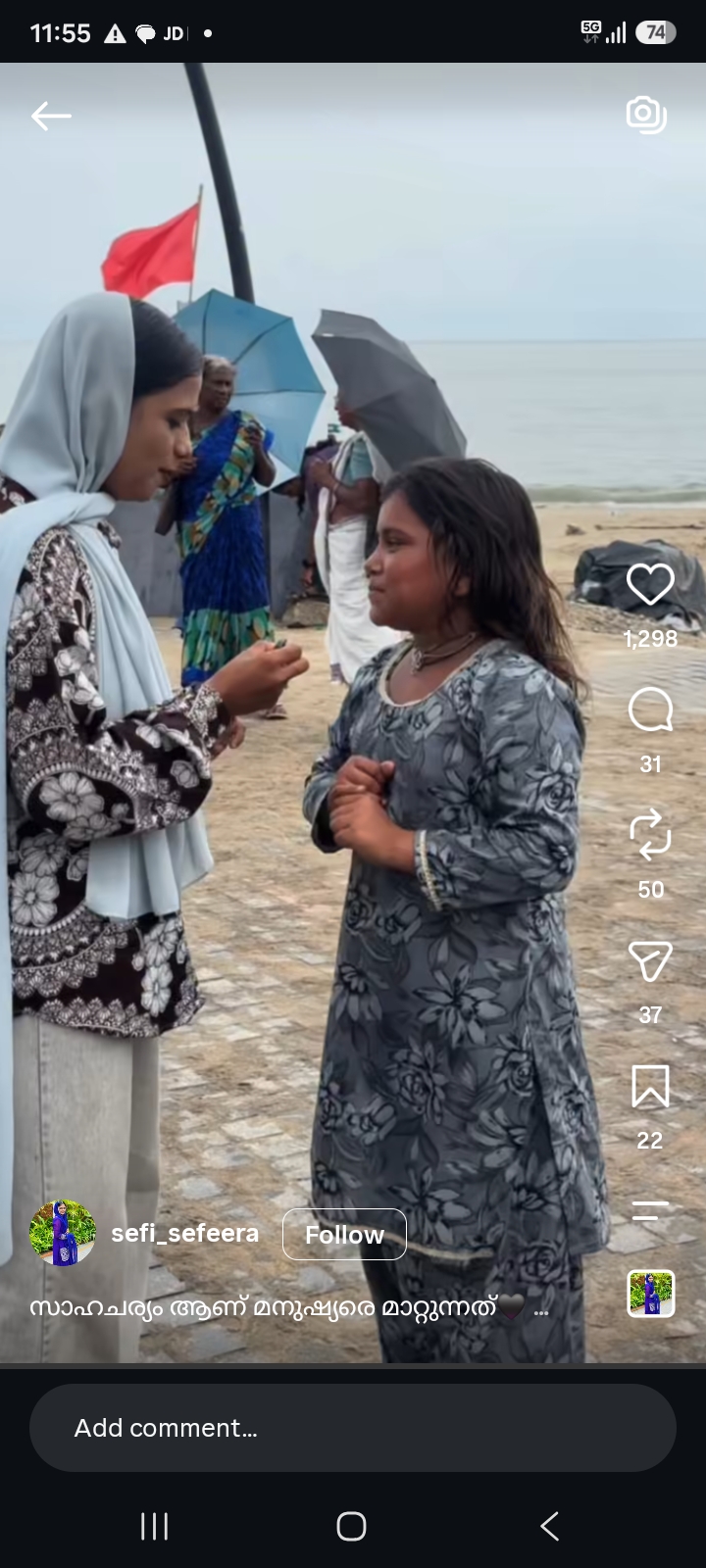
      As we celebrate the 80th Independence Day of India, we must definitely pay attention to a very serious matter. The right to education guaranteed by the constitution is being denied to many children today. At an age when they should be getting an education, they are living by begging on the streets and doing other jobs. This is indeed a very distressing matter. We must react strongly against this. Similarly, there are begging mafias in our country, and what we actually need to do is for each of us to intervene and eradicate them. We should utilize youth movements like the NCC to work for this. Likewise, just like the ecological task force of the Territorial Army, a special wing should be formed to work for children's education and against begging mafias. Furthermore, other departments must function very efficiently and tackle all this in a very scientific manner. Only then can our country achieve the fullness of freedom. Let us start working from today for a better tomorrow. Jai Hind."

      comments image 172134
      Like 1
      Dislike 0
      • Reply
      Facebook X
      ShuguftaYasmeen_8
      ShuguftaYasmeen_8
      2 weeks 4 days ago

      In kargil , majorly the rivers are getting polluted by the public as they washes their clothes directly in the river which ultimately effect the marine water as well as the marine animals . 》To solve this problem govt should give proper pipe line to every house , so that every one gets Water to wash their clothes without polluting the river , the waste water can dump into a safety tank under soil which gonna purify within itself , atheist it could lessens the risk. > another major problem is the harvesting phase recently harvesting of apricot fruit in kargil is in loss as compare to previous years As the weather is unexpectedly changing which inturns effects the growth of these fruits . > to solve these kind of circumstances govt should take action on pollution as it directly effects the weather , uses of plastic products should be lessen , we can replace it with biodegradable or recyclable materials .

      Like 2
      Dislike 0
      • Reply
      Facebook X
      shashikanth reddy_6
      shashikanth reddy_6
      2 weeks 5 days ago

      To improve rural sanitation and transform Indian villages for Viksit Bharat 2047, the government should pilot a planned relocation scheme. By moving clustered residential clusters into organized farm-adjacent plots and repurposing old village footprints for schools, healthcare, warehouses, and utilities, India can eliminate congestion and build modern rural infrastructure.Key Proposal DetailsCore Concept: Relocate congested village homes to planned plots near agricultural fields or designated organized layouts with government financial and planning support.Land Repurposing: Use vacated central village land for community assets like hospitals, schools, grain storage go-downs, water tanks, and local MSME hubs.Infrastructure Upgrade: Build wide farm-access roads for tractors and heavy machinery while laying systematic underground utilities, electricity cables, and water pipes.Timeline & Vision: Achieve planned, hygienic, and economically vibrant rural settlements within a 1-to-5-year time

      Like 1
      Dislike 0
      • Reply
      Facebook X
      • First page « First
      • Previous page ‹ Previous
      • …
      • Page 20
      • Page 21
      • Page 22
      • Page 23
      • Current page 24
      • Page 25
      • Page 26
      • Page 27
      • Page 28
      • …
      • Next page Next ›
      • Last page Last »
      Please Log In to submit a comment.
      Get Involved
      • Groups
      • Do/Task
      • Discuss
      • Blog
      • Poll/Survey
      • Talk
      • Quiz
      • MG Prime
      • Campaigns
      • Pledge
      • Podcast
      • Media
      • Periodicals
      Get to Know
      • MyGov: An Overview
      • Associate with MyGov
      • Work at MyGov
      • Circulars
      • Pulse Newsletter
      • Tenders
      • Weekly Newsletter
      • Meity Dashboard
      • Sectors
      • Skills
      • Area of Interest
      • Age Group
      • National Events
      • Archive Sites
      Help & Support
      • Contact Us
      • FAQ
      • Feedback
      • Help
      • Link To Us
      • Public Grievance
      • Site Map
      • Terms & Conditions
      • Usage of Aadhaar
      • Web Information Manager
      • ICC
      • MyGov Social
      • Points and Badges
      • Website Policies
      Useful Links
      • MyGov Quiz MyGov Quiz
      • Transforming India Transforming India
      • MyGov Innovation MyGov Innovation
      • MyGov Pledge MyGov Pledge
      • MyGov Blog MyGov Blog
      • Self4Society Self4Society
      • Campus Program Campus Program
      • MyGov Saathi Saathi
      Follow us
      Twitter Twitter 33.11 + Lakh Followers Facebook Facebook 15.14 + Lakh Followers Instagram Instagram 30.73 + Lakh Followers YouTube YouTube 7.43 + Lakh Subscribers LinkedIn LinkedIn 1.63 + Lakh Followers Messenger Messenger 1.60 + Lakh Followers WhatsApp WhatsApp 910.05 + Lakh Followers DailyHunt DailyHunt 7.2 + K Followers Public Public 85.5 + K Followers ShareChat ShareChat 82.22K Followers Snapchat Snapchat View All
      QR Code

      Download the MyGov Mobile App Join us in building a New India on the move.

      App Store Play Store
      NIC logo

      © Content owned, updated and maintained by the MyGov Cell. This website belongs to MyGov, Ministry of Electronics & Information Technology, Government of India.
      Platform is designed, developed and hosted by National Informatics Centre.

      CQW - MyGov certificateCertified Quality Website
      • Meity
      • Digital India
      • National Portal of India
      • Data Portal

      Copyright © MyGov 2014

      secure-1 - Last Updated: May 7, 2026
      Top
      This website uses cookies to provide a better user experience.
      By clicking accept, you agree to the policies outlined in the Cookie Settings.